PT
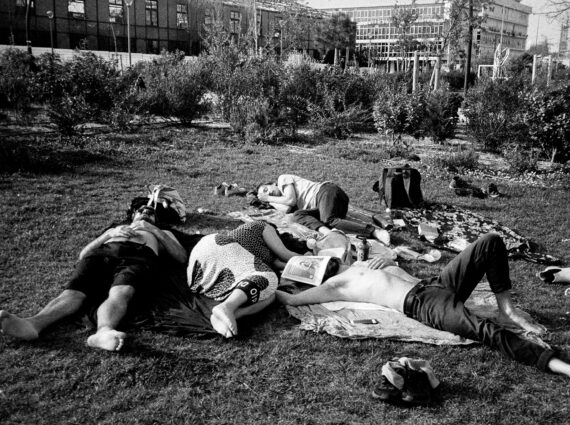
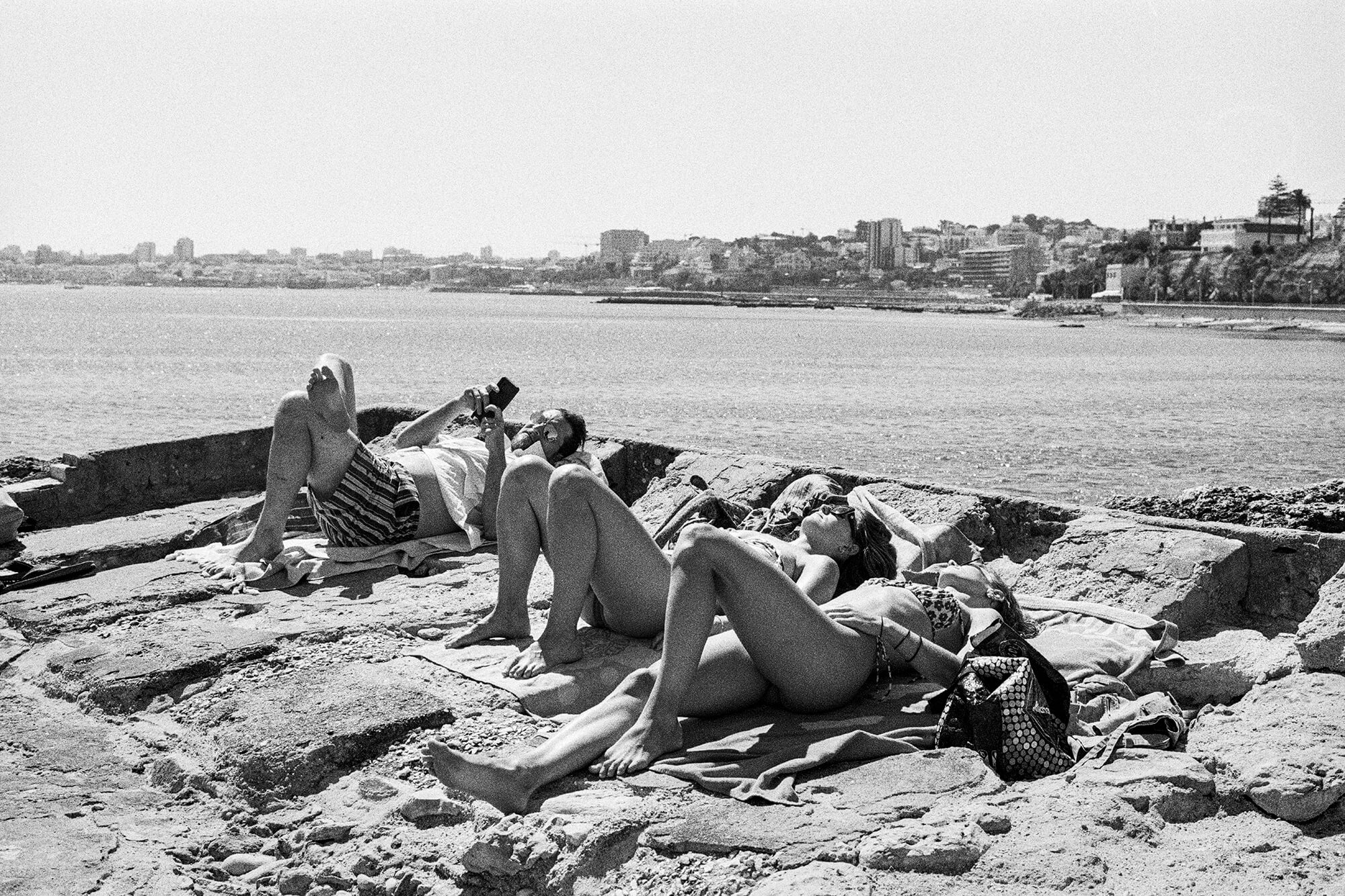
Um domingo de sol, um bom dia de praia, altinha à beira-mar, seguido de um churrasquinho para abençoar o dia. Uma saída à noite para uma animada roda de samba com a comunidade, para lavar a alma. Poderíamos começar facilmente essa descrição como se estivéssemos falando de um típico dia de verão no Rio de Janeiro ou em outras cidades litorâneas do Brasil. Poderíamos falar destas imagens assim, não fosse uma outra cidade como cenário: Lisboa.
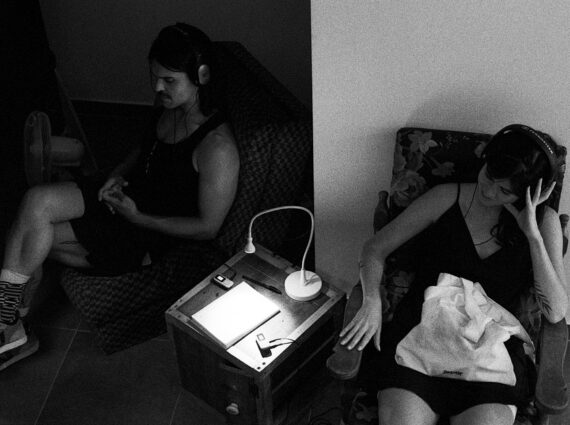
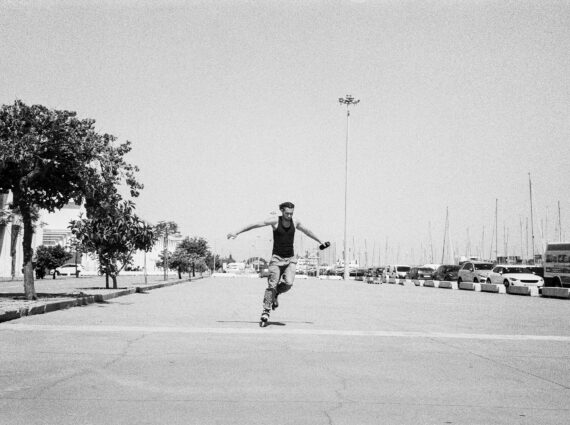
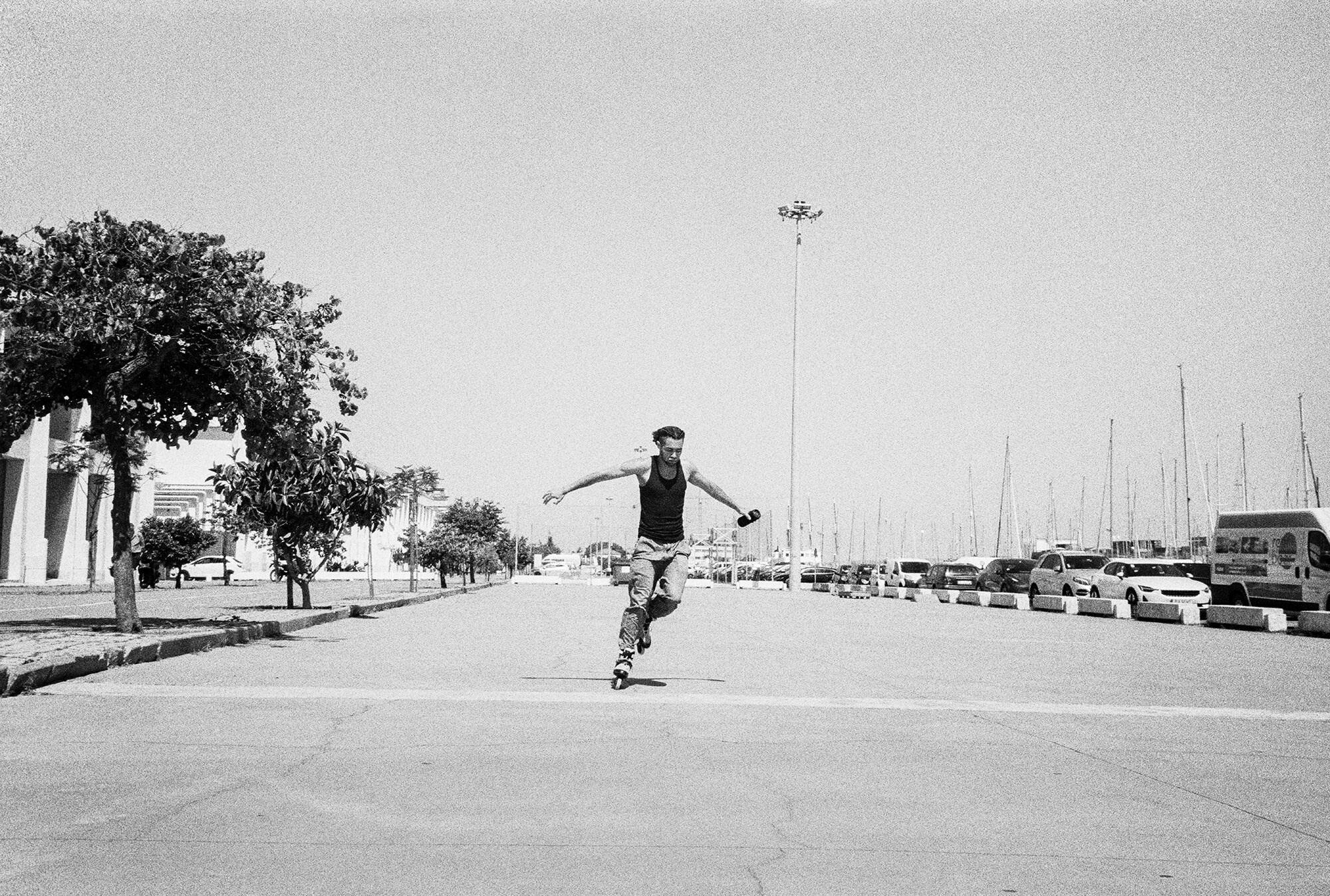
Neste projeto, busco entender o cotidiano da comunidade brasileira em Lisboa. O projeto teve início no começo de 2024, quando, a convite da Ghost Editions, comecei a investigar a relação da comunidade com a cidade para o projeto “De que é feito o nome Lisboa?”, que reunirá 9 encomendas fotográficas e literárias em um livro. A pergunta inicial: Quem habita esta cidade? Como podemos dar uma resposta no presente à constante transformação de Lisboa? E como minha experiência como imigrante influencia a minha leitura (o meu olhar) sobre a cidade?
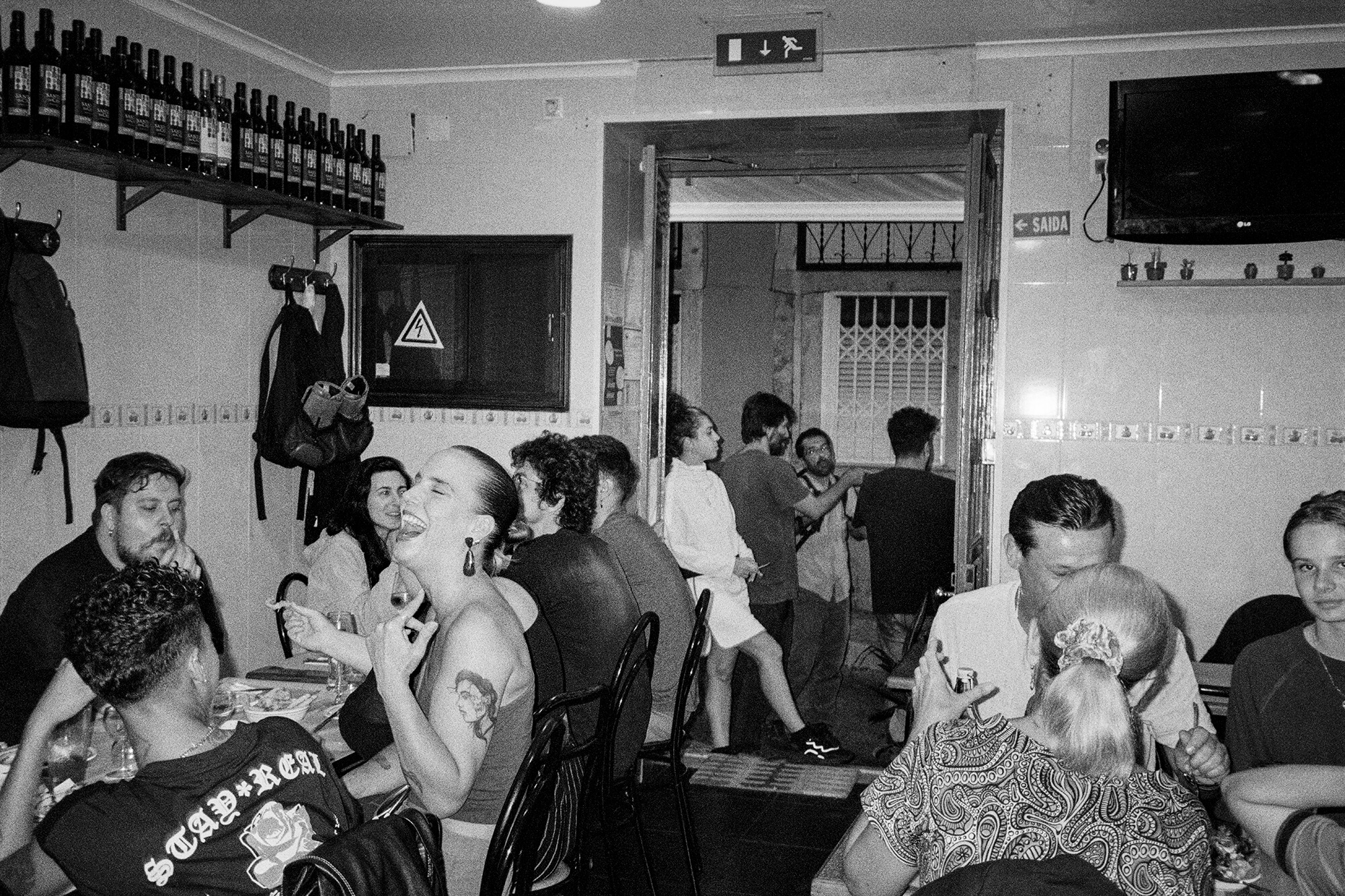
Por meio do convívio com minha comunidade e rede de amizades, desenvolvo uma experiência cotidiana de atravessamento da cidade de Lisboa que se articula à construção de um arquivo vivo. Nesse processo estabelece-se uma relação entre encontrar pertencimento nesse lugar como corpo imigrante e registrar uma Lisboa que passa por intensas transformações sociais, urbanas e culturais.
Migrar é um deslocamento geográfico e interno, mas não só: é carregar dois mundos (ou mais), vários idiomas, linguagens e formas de ser. É ter um olhar externo sobre o lugar de onde se vem e um olhar completamente novo sobre esse lugar aonde se chega. É sentir-se constantemente entre dois mundos, com uma eterna saudade de um lugar enquanto se está no outro — e vice-versa.
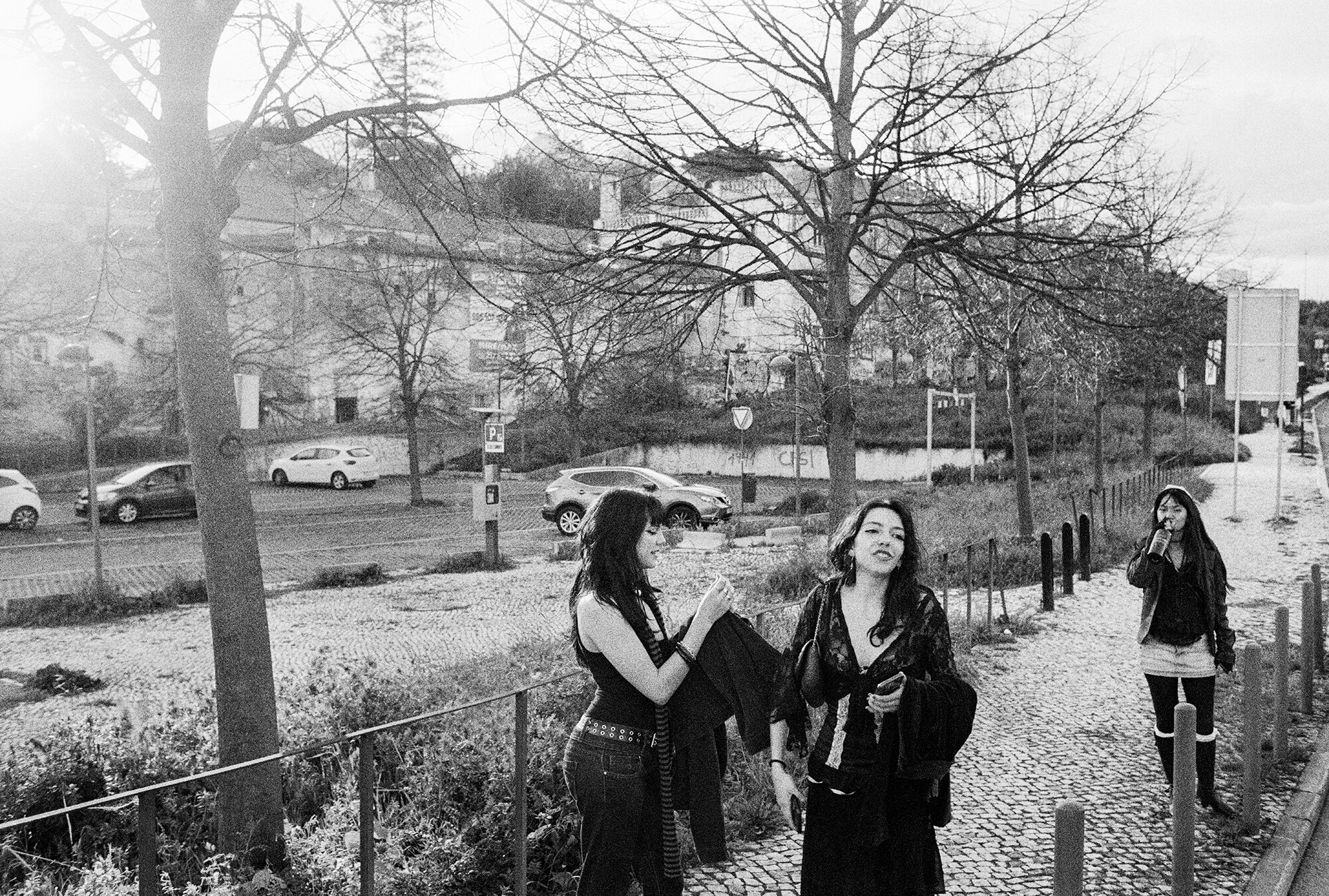
Nesse entrelugar, onde a familiaridade se mistura ao estranhamento, surge o desejo de registrar esse recorte do que é ser imigrante brasileiro nesta cidade: Como ocupamos a cidade e os espaços públicos? Que caminho percorremos e como contribuímos para a paisagem da cidade? Como construímos essas paisagens a partir de quem a habita?
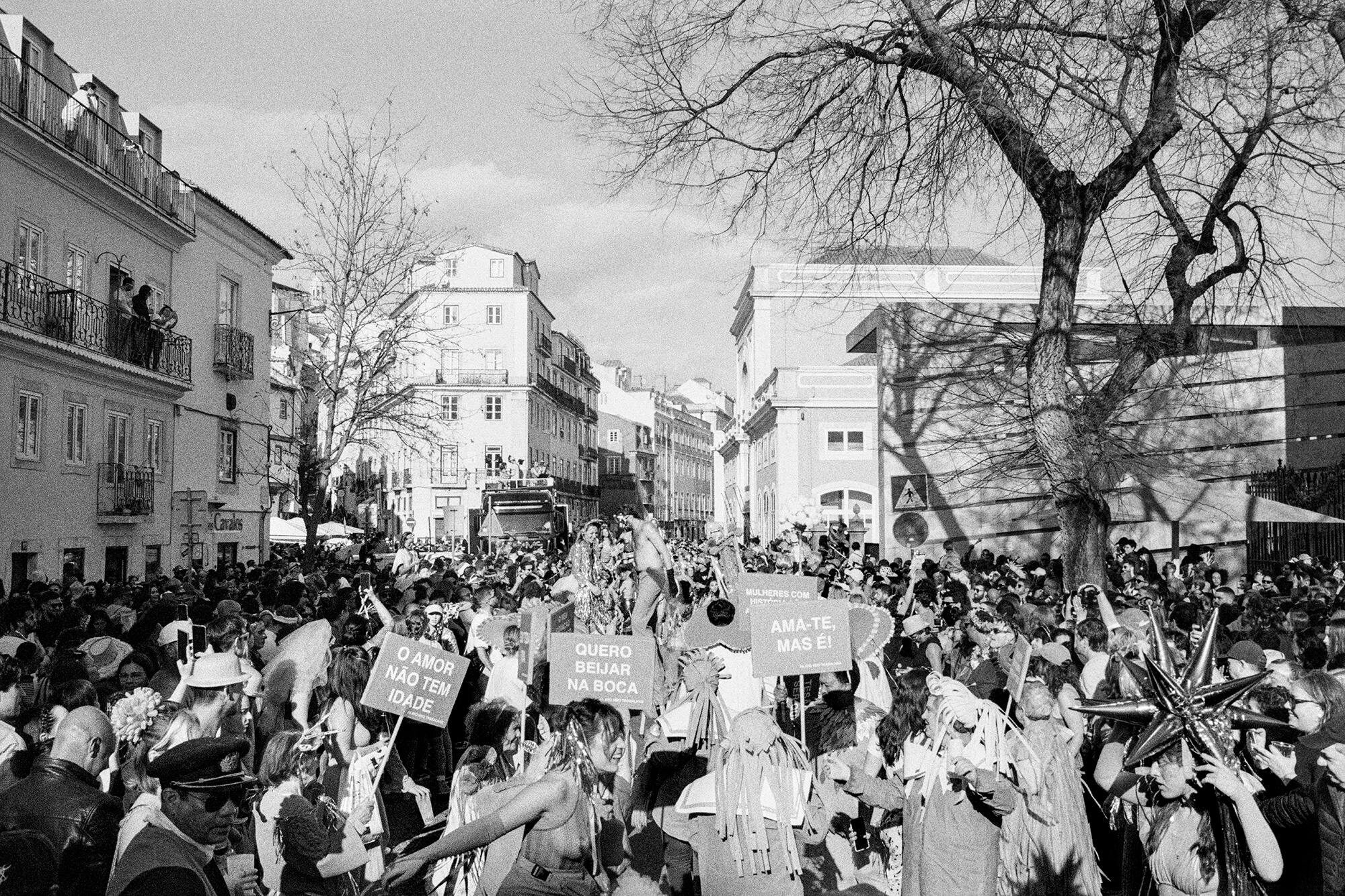
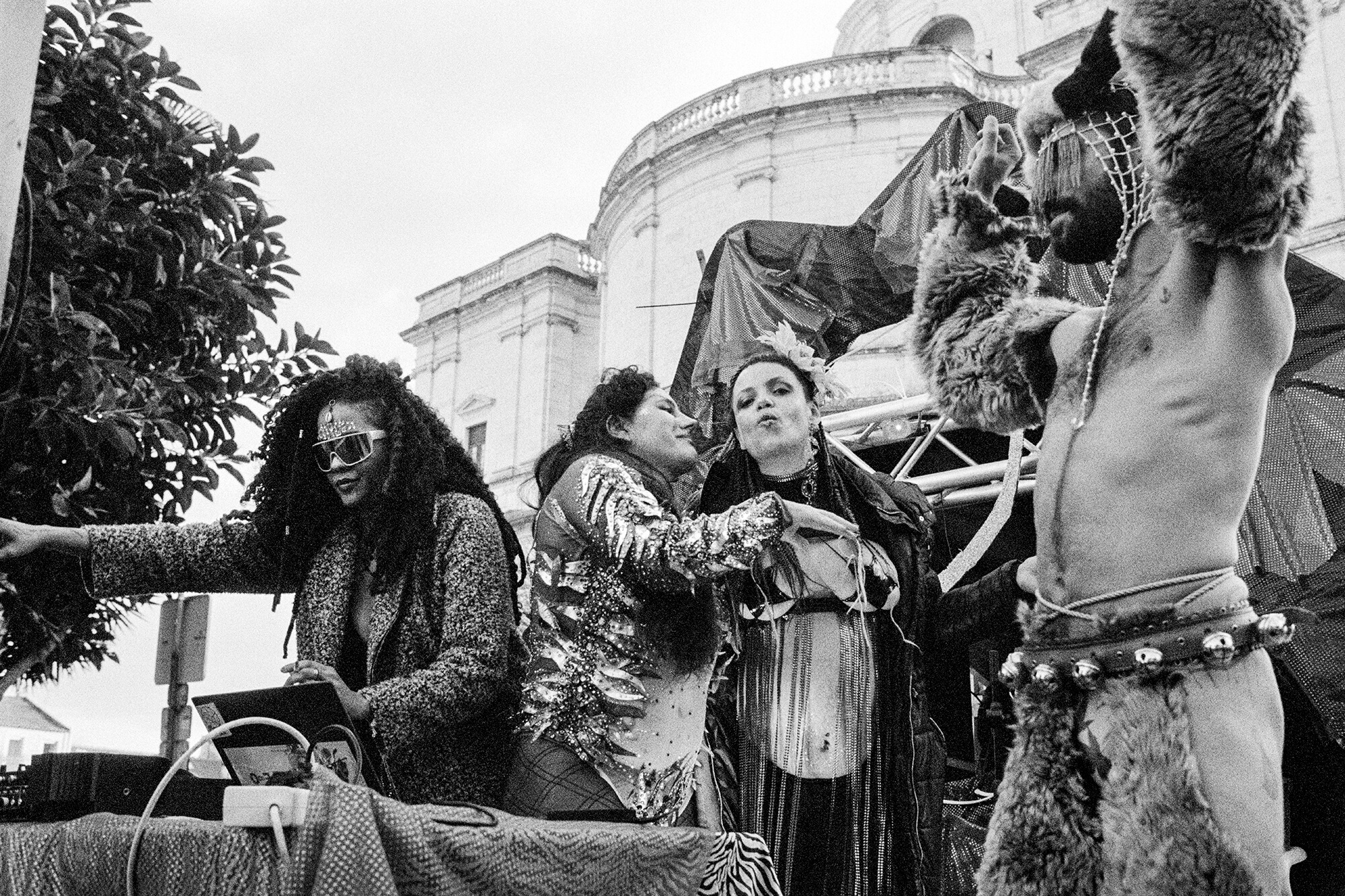
Ao longo de um ano recolhi imagens, percursos e trajetórias, que aqui mostro em parte, encerrando com o Carnaval de 2025 como marco histórico. Quando então, a Câmera Municial de Lisboa integra o Carnaval Brasileiro como parte do calendário oficial de eventos da cidade, institucionalizando a intrínseca relação de Lisboa com a cultura fomentada pela comunidade brasileira.
EN
A sunny Sunday, a perfect day at the beach, playing footvolley by the sea, followed by a barbecue to bless the day. An evening out for a lively samba circle with the community, to cleanse the soul. We could easily begin this description as if we were talking about a typical summer day in Rio de Janeiro or other coastal cities in Brazil. We could talk about these images like this, if it wasn’t for another city as the setting: Lisbon. The initial question: Who inhabits this city? How can we respond in the present to the constant transformation of Lisbon? And how does my experience as an immigrant influence my reading (my view) of the city?
Through my interactions with my community and network of friends, I develop a daily experience of traversing the city of Lisbon that is linked to the construction of a living archive. In this process, a relationship is established between finding belonging in this place as an immigrant body and recording a Lisbon that is undergoing intense social, urban, and cultural transformations.
Migrating is a geographical and internal displacement, but not only that: it is carrying two worlds (or more), several languages, and ways of being. It is having an external view of the place you come from and a completely new view of the place you arrive at. It is feeling constantly between two worlds, with an eternal longing for one place while you are in the other—and vice versa.
In this in-between place, where familiarity mixes with strangeness, there arises a desire to record this fragment of what it means to be a Brazilian immigrant in this city: How do we occupy the city and public spaces? What path do we take and how do we contribute to the city’s landscape? How do we construct these landscapes based on those who inhabit them?
Over the course of a year, I collected images, routes, and trajectories, which I show here in part, ending with the 2025 Carnival as a historical milestone. At that time, the Lisbon City Council integrated the Brazilian Carnival as part of the city’s official calendar of events, institutionalizing Lisbon’s intrinsic relationship with the culture fomented by the Brazilian community.
PHOTOGRAPHY